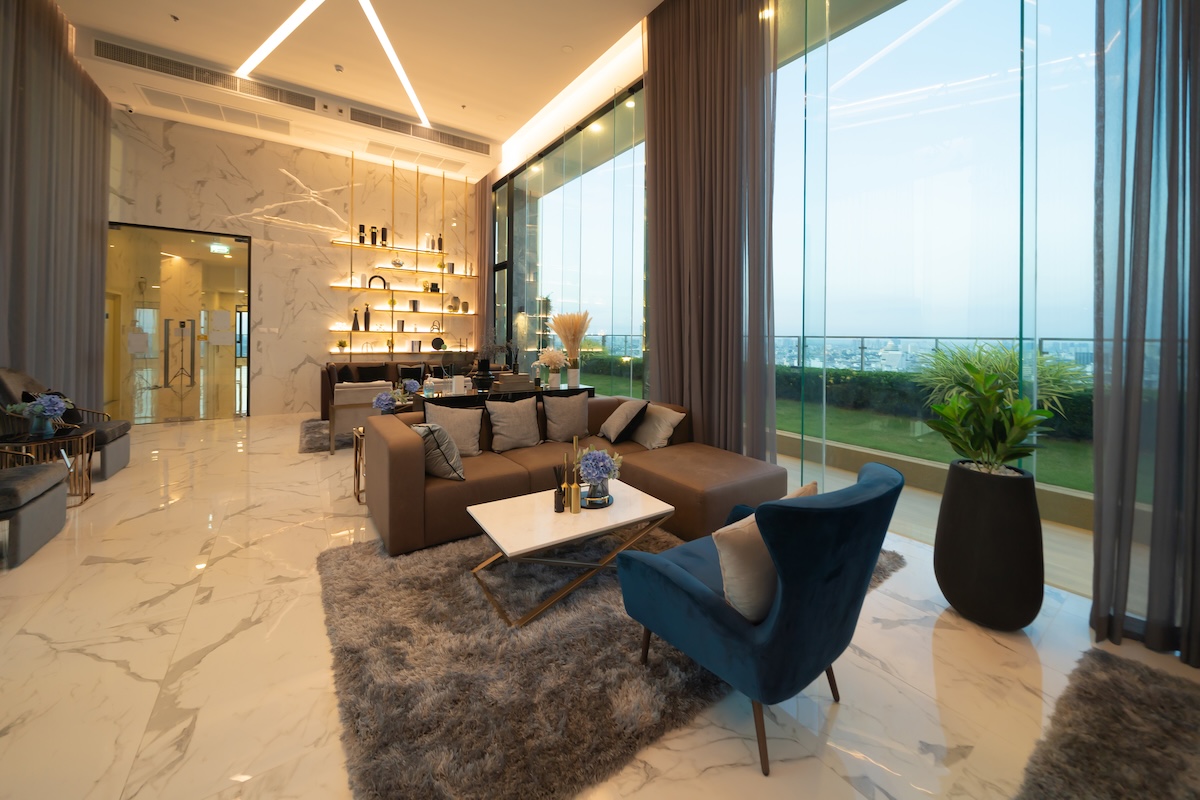
Apartments have become an integral part of contemporary living, offering more than just shelter—they embody a lifestyle of convenience, community, and cosmopolitan flair. As urban centers expand and lifestyles evolve, the humble apartment has emerged as a preferred residential option for millions across the globe. Whether nestled in the heart of a bustling city or forming part of a tranquil suburban complex, apartments deliver a unique combination of accessibility, efficiency, and style that resonates with today’s dynamic population.
Table of Contents
ToggleThe Evolution of Apartment Living
Historically, apartments were considered temporary dwellings, often associated with young professionals or students. Today, that perception has shifted dramatically. With architectural innovation, luxurious amenities, and prime locations, modern apartments appeal to a broad demographic, including families, retirees, digital nomads, and investors. The emphasis has transitioned from mere functionality to a thoughtfully curated living experience.
This evolution has been driven in part by global trends such as urbanization, population growth, and changing economic realities. Owning large, detached homes is no longer a priority for many; instead, the focus is on living spaces that offer flexibility, proximity to essential services, and minimal maintenance.
Advantages of Apartment Living
Prime Urban Locations
Apartments are often strategically located in city centers or key suburban hubs, placing residents within easy reach of workplaces, cultural attractions, educational institutions, and healthcare facilities. Living in such proximity not only reduces commute times but also enhances overall quality of life by fostering engagement with the urban environment.
Lifestyle Amenities
Contemporary apartment complexes come equipped with a range of amenities designed to enhance daily life. These amenities elevate the residential experience and may include:
-
State-of-the-art fitness centers and wellness areas
-
Rooftop gardens, lounges, and barbecue spaces
-
Swimming pools and spa facilities
-
Business centers and co-working spaces
-
Childcare facilities and play areas
-
Secure parking and bicycle storage
These features not only provide convenience but also promote a sense of community among residents, encouraging social interaction and shared experiences.
Low Maintenance and Efficiency
Apartment living eliminates many of the maintenance responsibilities associated with traditional homes. Property management services typically handle exterior upkeep, landscaping, and repairs, freeing residents from time-consuming chores. This is especially appealing to busy professionals and retirees who prefer to focus on leisure and personal pursuits rather than property maintenance.
Additionally, apartments tend to be more energy-efficient than single-family homes. Shared walls reduce heating and cooling costs, and many buildings employ eco-friendly technologies such as solar panels, energy-efficient lighting, and water conservation systems.
Enhanced Security
Security is a key consideration for many apartment dwellers. Modern apartment buildings are designed with resident safety in mind, offering features such as:
-
Secure entry systems and intercoms
-
Surveillance cameras and on-site security personnel
-
Gated access and monitored parking areas
These security measures provide peace of mind, particularly for individuals living alone or families with young children.
Space Optimization and Smart Design
One of the hallmarks of modern apartment living is intelligent design. Architects and interior designers place significant emphasis on maximizing available space through open floor plans, built-in storage, and multifunctional furniture. Even smaller apartments can feel spacious and inviting when thoughtfully designed.
Moreover, many apartments are now equipped with smart home technology that allows residents to control lighting, temperature, and security systems via smartphones or voice commands. This technological integration not only enhances comfort but also contributes to energy conservation and cost savings.
Community and Connectivity
Living in an apartment fosters a unique sense of community. Shared amenities and communal spaces naturally encourage social engagement, while organized events such as fitness classes, workshops, and seasonal celebrations help residents build meaningful connections.
This sense of belonging is particularly important in urban environments, where people may otherwise feel isolated. Apartment living offers an antidote to urban anonymity, creating opportunities for friendships and support networks within the building itself.
Considerations and Potential Challenges
While apartment living offers numerous benefits, it’s important to consider potential drawbacks and how to address them effectively:
-
Limited Space: Apartments typically offer less square footage than houses, which may require downsizing and careful organization.
-
Noise and Privacy: Proximity to neighbors can lead to noise disturbances, though well-built structures with adequate soundproofing minimize this issue.
-
Restrictions on Personalization: Some buildings impose restrictions on renovations or decor changes, limiting the ability to customize living spaces.
Despite these challenges, many residents find that the advantages of apartment living outweigh the inconveniences, particularly when balanced with location, amenities, and lifestyle benefits.
Choosing the Right Apartment
Selecting an apartment involves more than just evaluating the unit itself; it requires a holistic consideration of your lifestyle, preferences, and long-term goals. Key factors to assess include:
-
Location: Is it close to work, schools, and essential services?
-
Size and Layout: Does the space meet your needs for living, working, and entertaining?
-
Amenities: Are the available amenities aligned with your lifestyle priorities?
-
Cost: Is the rent or mortgage sustainable, and are there additional fees?
-
Community Vibe: Does the building have a welcoming and inclusive atmosphere?
Taking the time to visit multiple properties, speak with current residents, and review management policies can help ensure that you make an informed decision.
Apartments as Investment Opportunities
Beyond being a place to live, apartments can also serve as valuable investment properties. Rental demand in urban areas remains strong, making apartments a popular choice for real estate investors. Whether purchased for long-term leasing or short-term vacation rentals, well-located apartments can provide steady income and potential capital appreciation.
Additionally, apartments are often more affordable to purchase than detached homes, lowering the barrier to entry for first-time investors or those looking to diversify their property portfolio.
Conclusion
Apartments represent the intersection of convenience, style, and modernity. In an increasingly fast-paced world, the appeal of streamlined living, community engagement, and urban access is undeniable. Whether you are seeking a vibrant lifestyle in the heart of the city or a tranquil retreat with luxurious amenities, apartment living offers a compelling solution.
As architecture, technology, and societal preferences continue to evolve, the apartment is poised to remain a defining feature of modern living—one that celebrates efficiency, elegance, and connection. Choosing to live in an apartment is more than a practical decision; it’s a conscious embrace of a lifestyle that values simplicity, sophistication, and purposeful living.