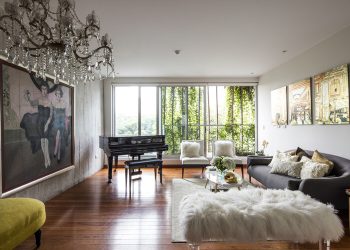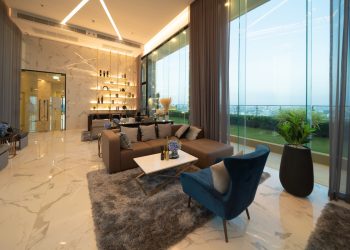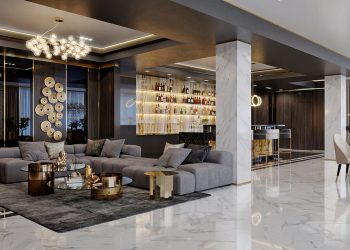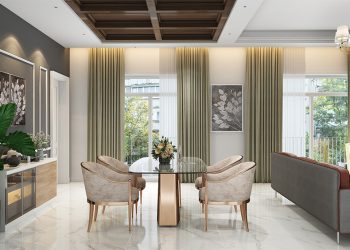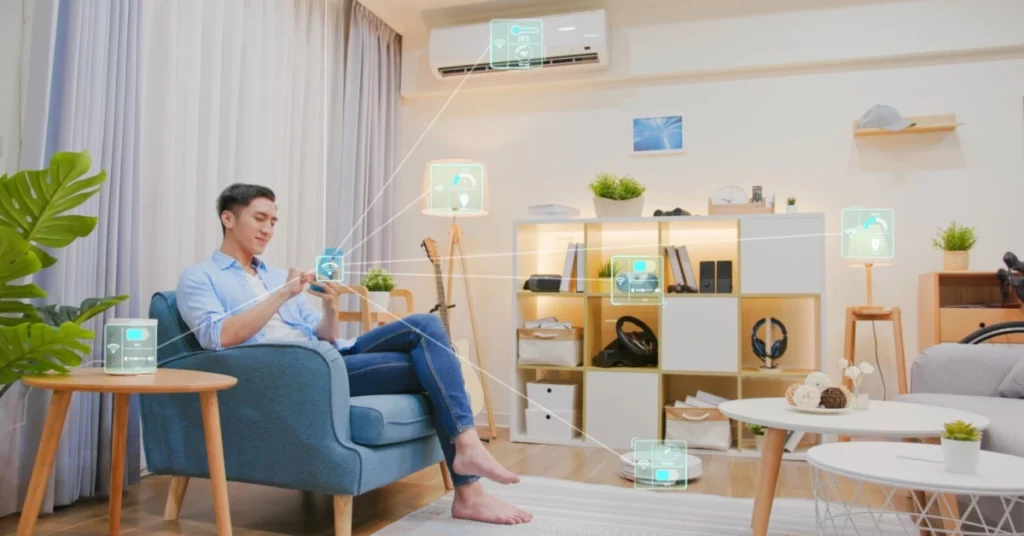
The rental market has undergone a dramatic transformation over the past few years. Gone are the days when a simple lease on a unit with four basic walls, standard appliances, and a parking spot was enough to attract quality applicants. Today, modern tenants evaluate potential homes through a completely different lens. Driven by technological advancements, hybrid work models, and a heightened focus on personal safety, renters now view digital integration and automation as baseline necessities rather than luxury perks. Property developers and landlords who fail to adapt to these shifting expectations risk seeing their vacancy rates climb. Understanding what modern tenants truly want in a smart apartment provides critical insight into the future of urban real estate.
The Shift Toward Keyless Entry and Enhanced Security
Safety consistently ranks as a primary concern for urban renters. Moving away from traditional metal keys is no longer just a futuristic concept; it is an immediate market demand. Tenants want absolute control over who enters their living space and demand sophisticated security features that offer peace of mind.
-
Smart Door Locks: Keyless entry systems utilizing biometric fingerprints, numerical PIN codes, or smartphone applications have become standard requests. Tenants love never having to worry about lost keys or locking themselves out.
-
Temporary Digital Access: Landlords and tenants alike benefit from smart locks that allow temporary passcodes to be generated for dog walkers, house cleaners, or visiting family members, all without handing over a physical key.
-
Video Doorbells and Intercoms: Seeing who is at the front door before opening it adds an essential layer of protection. Integrated video doorbells allow residents to screen visitors directly from their mobile phones, whether they are home or across town.
-
Common Area Monitoring: Smart security cameras placed strategically around building entryways, parking garages, and mailrooms give tenants confidence that their entire residential environment is actively monitored.
Climate Control and Energy Efficiency
Utility costs can quickly add up, making energy management a major selling point for cost-conscious renters. Modern apartments equipped with smart environmental controls appeal directly to tenants who want to lower their monthly bills while minimizing their environmental footprint.
-
Programmable Smart Thermonauts: Devices like smart thermostats learn a tenant’s daily routine and temperature preferences over time. They automatically adjust heating and cooling when the apartment is empty, resulting in noticeable savings on monthly utility statements.
-
App-Controlled Lighting: Smart bulbs and switches allow residents to turn off forgotten lights remotely via smartphone apps or automate lighting schedules to simulate occupancy while traveling.
-
Integrated Power Strips and Monitors: Advanced energy dashboards let tenants monitor their exact electricity consumption in real time, helping them identify power-hungry appliances and optimize their usage patterns.
The Work-From-Home Infrastructure Demand
With hybrid and remote work models firmly entrenched in modern professional life, the apartment has transformed into a dual-purpose living and working space. Renters actively seek properties that support seamless daily productivity without requiring major lifestyle compromises.
-
Lightning-Fast Fiber Internet: Reliable, pre-installed high-speed internet connectivity is often the single most important factor for a prospective tenant during a property tour.
-
Smart Lighting for Focus: Adjustable smart lighting systems that shift from cool daylight hues during working hours to warm, relaxing tones in the evening help maintain a healthy psychological boundary between labor and leisure.
-
Acoustic Optimization: Smart apartments often feature sound-dampening materials and smart white-noise integration, helping professionals block out urban street noise during important video conferences.
Unified Digital Ecosystems and App Management
Tenants today manage almost every aspect of their lives through mobile applications, and they expect their housing experience to mirror that digital convenience. Juggling multiple disjointed remotes or apps for different appliances is a major friction point.
-
Centralized Control Hubs: The modern preference leans heavily toward unified smart ecosystems where lighting, climate, locks, and entertainment systems are controlled from a single interface or voice assistant.
-
Digital Tenant Portals: Property management software that allows renters to pay rent online, submit maintenance requests with photo uploads, and track repair progress in real time is virtually mandatory.
-
Package Locker Integration: With online shopping at an all-time high, smart apartment buildings featuring automated, secure package delivery lockers ensure that tenant shipments are never lost or stolen.
Frequently Asked Questions
Are smart apartment features actually influencing rental price willingness?
Surveys consistently show that a significant majority of renters are willing to pay higher rent or choose a smart-equipped unit over a traditional one if the technology guarantees lower utility bills or enhanced personal safety.
How do smart locks benefit landlords in the long run?
Smart locks eliminate the costly and time-consuming process of rekeying locks between tenant turnovers. Landlords can instantly revoke and issue digital access codes remotely, streamlining the entire leasing handover process.
Do smart apartments require complex installation or wiring?
Most modern smart home products utilize wireless protocols like Wi-Fi, Bluetooth, or mesh networks, meaning they can be retrofitted into older apartment buildings without requiring invasive wall tearing or rewiring.
What happens to smart home data and tenant privacy?
Reputable property managers use secure, encrypted networks and ensure that personal user data, access logs, and camera feeds remain strictly private and accessible only to the individual resident.
Do smart thermostats work well with older heating and cooling systems?
Many modern smart thermostats are engineered to be compatible with a wide range of conventional HVAC systems, though verifying wire compatibility before installation is always recommended.
Can smart home technology help reduce building insurance costs for owners?
Properties equipped with smart leak detectors, automated water shut-off valves, and advanced security monitoring often experience fewer catastrophic damage incidents, which can positively influence property insurance premiums over time.