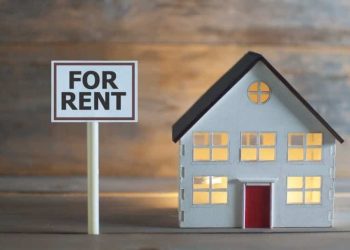
Introduction: The Ubiquity and Significance of Rent
Property rent is a concept that has quietly shaped the lives of billions across the globe. Whether it’s a young professional renting a city apartment, a family leasing a suburban home, or a business securing commercial space, renting is an integral part of modern life. It is both a practical necessity and a strategic financial decision—for tenants seeking flexibility and for property owners aiming to generate consistent income. Understanding property rent involves more than knowing monthly costs; it’s about recognizing the intricate interplay between market forces, individual needs, and long-term value.
What Is Property Rent? A Foundational Overview
At its core, property rent refers to the payment made by a tenant to a property owner in exchange for the use of real estate. This could be residential, commercial, industrial, or even agricultural space. The terms of rent—duration, cost, responsibilities—are typically outlined in a lease agreement, a legal document binding both parties to agreed conditions.
Property rent serves two primary functions:
-
For Tenants: It provides access to property without the burdens of ownership, such as large upfront costs, maintenance responsibilities, and long-term commitment.
-
For Landlords: It offers a reliable source of income, capital appreciation over time, and potential tax benefits, all while retaining ownership of the asset.
Residential vs. Commercial Rent: Key Differences
Renting structures differ depending on the property’s use. Residential and commercial rents are governed by distinct principles, market forces, and legal considerations.
-
Residential Rent
This involves leasing properties such as houses, apartments, or condominiums for living purposes. Leases are often shorter in duration (typically 6 to 12 months), and rent is paid monthly. Tenant rights in residential settings tend to be strongly protected by law, with regulations on eviction, rent increases, and habitability standards. -
Commercial Rent
In commercial settings—offices, retail shops, or warehouses—lease terms are generally longer, ranging from 3 to 10 years. Commercial leases are more complex, often including clauses for maintenance responsibilities, taxes, insurance, and rent escalation. Flexibility in negotiations is common, and tenants usually have fewer statutory protections compared to residential renters.
Factors That Influence Rent Prices
Rent pricing is not arbitrary; it is influenced by a combination of economic, geographic, and property-specific factors. Understanding these elements helps both landlords and tenants make informed decisions.
-
Location
The age-old real estate maxim “location, location, location” rings especially true for rent. Properties in urban centers, near transit, or within high-demand school districts command higher rents due to accessibility and amenities. -
Market Demand and Supply
Rental rates fluctuate based on local demand and housing availability. In competitive rental markets with limited supply, landlords may raise rents, while in oversaturated areas, rent prices may soften to attract tenants. -
Property Condition and Features
Newer properties or those with modern upgrades—such as updated kitchens, energy-efficient appliances, and smart home features—can attract higher rent. Outdoor space, parking, and security also influence value. -
Economic Trends
Broader economic conditions, including employment rates, inflation, and interest rates, can affect rental markets. In periods of economic uncertainty, demand for rental housing often increases as people delay homeownership.
The Tenant’s Perspective: Benefits and Considerations
Renting property offers flexibility and convenience, but it also requires a clear understanding of one’s rights and obligations.
-
Advantages of Renting
-
Flexibility: Renting allows individuals to relocate easily for work, education, or personal reasons.
-
Lower Initial Costs: Without the need for a large down payment, renting requires less capital than buying.
-
Limited Responsibility: Maintenance and repair duties typically fall on the landlord, relieving tenants of those costs and burdens.
-
-
Considerations for Renters
-
Lease Terms: It is essential to understand clauses related to rent increases, deposit refunds, early termination, and responsibilities for utilities.
-
Credit and References: Many landlords require background checks, which can affect a tenant’s ability to secure a desired property.
-
Financial Planning: Rent does not build equity. Tenants must weigh the cost of long-term renting against potential savings and investment in ownership.
-
The Landlord’s Perspective: Managing Risk and Maximizing Return
For property owners, renting offers income and potential appreciation, but it also involves management and risk.
-
Advantages of Renting Property
-
Steady Income Stream: Monthly rent payments create a consistent revenue source.
-
Asset Retention: While generating income, landlords retain ownership, benefitting from long-term property value appreciation.
-
Tax Deductions: Landlords can deduct costs related to mortgage interest, maintenance, depreciation, and property taxes.
-
-
Challenges for Landlords
-
Tenant Management: Finding responsible tenants and handling issues like late payments or property damage can be time-consuming.
-
Vacancy Risk: Periods without tenants can disrupt cash flow and lead to financial strain.
-
Regulatory Compliance: Landlords must navigate legal requirements around fair housing, lease agreements, and property standards.
-
Trends Transforming the Rental Landscape
The property rent market is evolving, driven by technology, demographics, and changing lifestyles.
-
Digital Leasing Platforms
Online portals now facilitate rental listings, virtual tours, lease signing, and rent collection. These platforms streamline processes for both landlords and tenants. -
Co-Living and Short-Term Rentals
Alternative rental models, such as co-living spaces or short-term rentals via platforms like Airbnb, are gaining traction. These offer flexibility and community-driven living arrangements. -
Sustainable Rentals
Eco-conscious tenants increasingly seek energy-efficient homes with green certifications. Landlords investing in sustainability attract higher-quality tenants and potentially command premium rents. -
Remote Work Impact
Remote and hybrid work has shifted rental demand. Suburban and rural properties have become more appealing, while some urban areas experience softened demand.
Conclusion: Property Rent as a Strategic Exchange
Property rent is more than a monthly transaction—it is a dynamic exchange that balances the needs of tenants with the goals of landlords. For tenants, renting offers mobility, convenience, and access to quality living without the long-term commitment of ownership. For landlords, it provides an avenue for steady income and asset growth. As markets shift and lifestyles evolve, the rental landscape will continue to transform, offering new challenges and opportunities for all participants. In this ever-changing world, understanding the nuances of property rent empowers individuals to make choices that align with their financial goals and life aspirations.