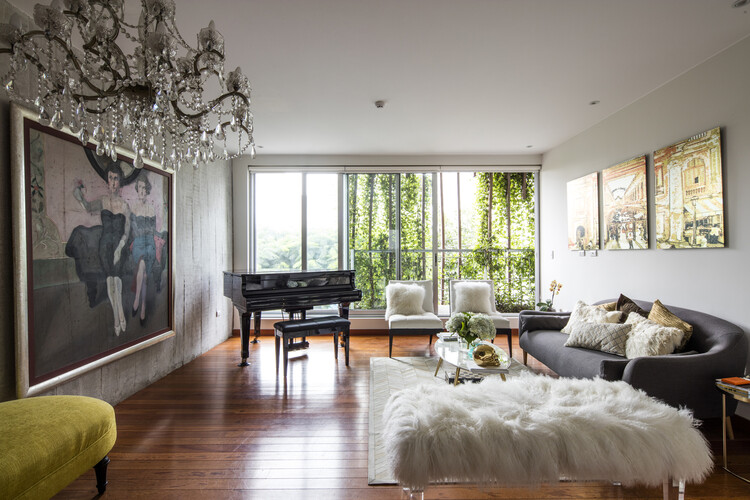
Living in a compact urban apartment often feels like a constant game of spatial Tetris. As city populations grow and real estate prices climb, living quarters continue to shrink. However, square footage does not dictate comfort or style. Transforming a tiny city apartment into a functional, breathable, and visually appealing sanctuary requires strategic planning, creative storage solutions, and a shift in how you perceive your rooms. By utilizing vertical areas, choosing multi-functional furniture, and applying clever design illusions, you can unlock the hidden potential of your home.
Think Vertically to Multiply Your Square Footage
When floor space is scarce, the only direction left to go is up. Most urban dwellers make the mistake of only looking at their apartment in two dimensions, ignoring the vast expanse of wall and vertical height available to them.
-
Install Tall Shelving Units: Replace short bookcases with tall units that reach all the way to the ceiling. This draws the eye upward, making the ceiling feel higher while providing massive amounts of extra storage.
-
Hang Floating Shelves: Mount floating shelves above doorways, around windows, or over your television. These utilize dead space without adding bulky floor furniture that cramps your walking paths.
-
Utilize Wall-Mounted Hooks and Rails: In kitchens and entryways, hanging pots, pans, coats, and bags on wall-mounted rails keeps counters and floors completely clear.
Invest in Multi-Functional Furniture
In a small apartment, every single piece of furniture must earn its place. Single-purpose items are a luxury of the past. Opt for pieces that can shift roles depending on the time of day or your current needs.
-
Storage Beds: A platform bed equipped with built-in drawers or hydraulic lift mechanisms provides a massive hidden closet beneath your mattress. This is the ideal spot to stash bulky winter blankets, out-of-season clothing, and extra luggage.
-
Extendable Dining Tables: If you love hosting dinner parties but rarely eat formal meals at home, purchase a drop-leaf or extendable table. It stays compact against the wall during the week and expands when guests arrive.
-
Ottomans with Secret Compartments: A fabric or leather ottoman serves as extra seating, a footrest, and a hidden bin for board games, shoes, or electronics accessories.
-
Nesting Coffee Tables: Nesting tables can be pulled apart when you need surface area for drinks or laptops and pushed tightly back together to reclaim floor space when you are finished.
Master the Illusion of Space with Light and Color
Design psychology plays a massive role in how large or small an apartment feels. Dark colors absorb light and make walls feel closer together, while strategic lighting and color choices can push the boundaries of your vision.
-
Stick to a Light, Neutral Palette: Paint your walls in crisp whites, soft grays, or warm beige tones. These colors reflect natural sunlight, making rooms feel airy and open.
-
Strategically Place Mirrors: Hang a large mirror opposite a window. It will bounce natural light deep into the room and create a psychological illusion of depth, tricking the eye into thinking the apartment is twice its actual size.
-
Keep Window Treatments Minimal: Heavy, dark velvet drapes block light and weigh down a room. Instead, use sheer curtains or minimalist blinds that let the maximum amount of sunlight pour inside.
-
Expose Furniture Legs: Sofas and chairs with visible, slender legs allow light to pass underneath them. This trick keeps the floor visible continuously, which prevents the room from feeling heavy or overcrowded.
Conquer Kitchen Clutter and Bathroom Cramp
Kitchens and bathrooms are notoriously tiny in urban apartments, yet they require storing an immense number of items. Organization here is not just about neatness; it is about survival.
-
Use Cabinet Door Insides: Attach small wire baskets or command hooks to the inside of your kitchen and bathroom cabinet doors. This creates instant storage for cutting boards, cleaning supplies, and hair styling tools.
-
Add Tension Rods Under the Sink: Place a small tension rod vertically or horizontally under your sink to hang spray bottles, freeing up the base of the cabinet for stacked storage bins.
-
Stackable Fridge Bins: Clear plastic bins allow you to group food categories together in your refrigerator and stack them safely, preventing wasted vertical space on refrigerator shelves.
-
Magnetic Knife Strips: Free up precious counter space by mounting a magnetic knife strip on the wall. This keeps sharp tools safe, accessible, and completely off your prep surfaces.
Zone Your Living Areas Without Walls
Without interior walls to separate functions, open-plan studio apartments can quickly devolve into a chaotic mess where your bed, workspace, and kitchen blend together uncomfortably. Creating distinct zones helps restore order to your mental state and your home.
-
Use Area Rugs to Anchor Spaces: Place a distinct rug under your living room seating area and a different one beneath your bed. This visually demarcates where one room ends and another begins.
-
Room Dividers and Bookshelves: An open-back bookshelf placed perpendicular to a wall can act as a partial room divider, shielding your bed from the entryway while providing storage on both sides.
-
Create a Micro-Office: Carve out a tiny workspace by utilizing a floating desk mounted to a wall corner. Pair it with a clear acrylic ghost chair, which visually disappears into the background and keeps the area looking uncluttered.
Frequently Asked Questions
How can I make a tiny studio apartment feel like a multi-room home?
You can create psychological boundaries by using lighting, rugs, and furniture placement. For instance, dim lighting in the sleeping area and brighter task lighting near the desk create distinct atmospheres. Using folding screens or open shelving units also helps separate functions physically without blocking light.
What is the best way to handle a complete lack of closet space?
When built-in closets are non-existent, embrace open clothing storage as a design feature. Invest in a sturdy, aesthetically pleasing freestanding wardrobe or a heavy-duty industrial pipe clothing rack. Keep your clothing color-coordinated or minimalist so the rack looks like a boutique display rather than a messy pile of garments.
How do I prevent a small apartment from looking cluttered?
Adopt a strict one-in, one-out rule for your belongings. Furthermore, use closed storage options like woven baskets, lidded boxes, and cabinets to hide items that do not look visually appealing. Keeping surfaces clear of random objects instantly makes any small space look larger and cleaner.
Are there specific furniture brands or types designed for small spaces?
Yes, look for modular furniture systems that can be customized to fit awkward layouts. Multi-functional furniture designers often specialize in transforming tables, Murphy beds, and modular seating systems specifically engineered for micro-apartments and urban living.
How can I add plants to a small apartment without losing floor space?
Instead of placing potted plants on the floor or tables, use vertical gardening techniques. Hang planters from the ceiling near windows, install wall-mounted propagation stations, or use magnetic planters directly on your refrigerator door to bring nature inside without sacrificing square footage.
What lighting mistakes should I avoid in a small apartment?
Avoid relying on a single overhead central light fixture, as it creates harsh shadows that shrink the room visually. Instead, use a layered lighting approach combining floor lamps, wall sconces, under-cabinet lighting, and desk lamps to brighten dark corners and create an expansive, warm environment.
How can I maximize storage in a small hallway or entryway?
Utilize the upper perimeter of your hallway by installing a continuous shelf just a foot below the ceiling. This high shelf is perfect for storing seasonal items in matching decorative boxes. Below the shelf, use a slim-profile shoe cabinet and flat wall hooks to keep everyday items tidy and out of the way.