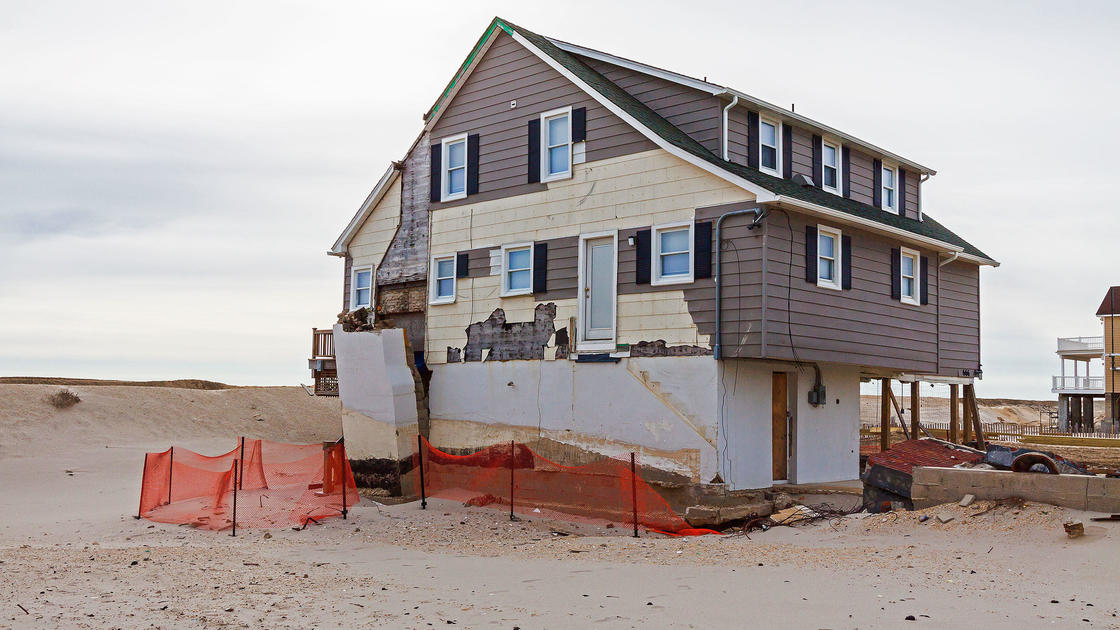
Homeownership represents one of the most significant financial and emotional investments an individual can make. Beyond providing shelter and a place to build memories, a home is a core asset that requires active defense against the unpredictable forces of nature. From torrential downpours and raging wildfires to freezing winter storms and high-velocity hurricanes, extreme weather events are increasing in both frequency and severity across the country. Waiting until a severe weather warning flashes on your television screen is a recipe for disaster. Proactive property fortification, comprehensive maintenance routines, and strategic landscape management are the pillars of a resilient home defense plan that can protect your family and preserve your property value.
Fortifying the Roof and Exterior Envelope
The roof and exterior walls serve as your home’s first line of physical defense against wind, water, and flying debris. When extreme weather strikes, structural weaknesses in the outer envelope are often the first points of failure.
-
Inspect and Secure Shingles: Regularly check for missing, cracked, or curling shingles. Reinforce loose edges with appropriate roofing cement or replace damaged sections entirely to prevent high winds from lifting the roof deck.
-
Install Impact-Resistant Windows: In regions prone to severe hail or hurricanes, upgrading to laminated, impact-resistant glass prevents shattered windows that can cause catastrophic internal pressure shifts inside the house.
-
Maintain Siding Integrity: Seal cracks, loose panels, or gaps in vinyl, wood, or brick veneer siding to prevent wind-driven rain from seeping into the structural framing and causing unseen mold or rot.
-
Reinforce Garage Doors: The garage door is typically the largest and weakest opening in a home. Installing vertical bracing kits or retrofitting with wind-rated reinforcement models prevents garage doors from buckling inward during severe gales.
Managing Water Drainage and Flood Prevention
Water is remarkably destructive, capable of eroding foundations, flooding basements, and destabilizing entire properties even during ordinary heavy rainstorms. Effective drainage management redirects moisture safely away from the structure.
-
Keep Gutters and Downspouts Clear: Clean out leaves, twigs, and debris from gutters at least twice a year. Ensure downspouts extend at least four to six feet away from the foundation to prevent pooling water near basement walls.
-
Grade the Surrounding Soil: Ensure the ground immediately surrounding your foundation slopes downward, dropping a minimum of six inches over the first ten feet. This natural grading uses gravity to pull surface water away from the home.
-
Install a Sump Pump with Battery Backup: If your basement or crawlspace is prone to subterranean moisture accumulation, a heavy-duty sump pump is non-negotiable. Equip it with an automatic secondary battery backup system in case local power grids fail during a severe storm.
-
Check Foundation Waterproofing: Apply professional-grade waterproof sealants to foundation walls and repair minor hairline cracks promptly before they expand under hydrostatic pressure.
Wildfire Mitigation and Defensible Space
For homeowners living in arid regions, brush-heavy zones, or woodland interfaces, wildfire defense requires creating active buffer zones around the property perimeter to starve approaching flames of potential fuel.
-
Establish Zone Defenses: Clear all combustible brush, dry leaves, and flammable vegetation within a thirty-foot radius of your home foundation. Keep lawns mowed short and well-watered.
-
Prune Tree Branches Overhanging Roofs: Trim tree branches that extend within ten feet of your roofline or chimney. This stops flying embers from igniting roof debris and prevents falling limbs during high winds.
-
Install Fine Metal Mesh Vents: Cover attic and crawlspace ventilation openings with non-combustible, eighth-inch metal mesh screens to prevent wind-blown fire embers from floating inside and igniting the interior framing.
-
Choose Fire-Resistant Building Materials: If you are remodeling or replacing exterior elements, opt for Class A fire-rated roofing materials, stucco or fiber-cement siding, and double-paned tempered glass windows.
Wind and Freeze Preparation for Seasonal Shifts
Extreme temperatures and severe wind events demand distinct seasonal maintenance routines. Preparing your mechanical systems and outdoor fixtures ahead of time prevents expensive emergency repairs.
-
Insulate Exposed Outdoor Plumbing: Wrap exterior hose bibs, crawlspace pipes, and unheated garage plumbing in thick foam insulation sleeves before freezing winter temperatures arrive to prevent burst pipes.
-
Secure Outdoor Furniture and Equipment: During wind advisories or tropical storm warnings, bring patio furniture, potted plants, grills, and loose yard tools inside or tie them down securely so they do not transform into dangerous projectiles.
-
Service Emergency Generators: Test standby backup generators routinely, ensure fuel reserves are topped off, and keep carbon monoxide detectors fresh with new batteries to maintain safe indoor operation during multi-day power outages.
-
Trim Dead or Diseased Trees: Have a certified arborist inspect large trees near your driveway or roof. Removing dead branches prevents heavy snow loads or ice storms from snapping limbs onto power lines or structures.
Frequently Asked Questions
Does standard homeowners insurance cover damage caused by all natural disasters?
Standard homeowners insurance policies cover many common weather events like wind, hail, and fire, but they almost universally exclude damage from floods and earthquakes. Homeowners in high-risk zones must purchase separate, specialized insurance riders for flood or earthquake protection.
How often should a homeowner inspect their roof for potential storm vulnerabilities?
Homeowners should conduct a visual ground inspection of their roof at least twice a year during spring and autumn, and immediately following any severe weather event involving high winds, heavy hail, or flying debris.
What is the most cost-effective way to protect a basement from flooding?
The most cost-effective measure is ensuring proper exterior grading and keeping gutters and downspouts clean and extended away from the house, as this stops water from accumulating near the foundation in the first place.
Are storm shutters truly necessary if a home has double-paned windows?
While double-paned windows offer better insulation and moderate strength, they can still shatter under the impact of high-velocity windborne debris during severe hurricanes or tornadoes, making heavy-duty storm shutters or impact glass vital in high-risk regions.
Can DIY wildfire mitigation make a noticeable difference in property survival?
Yes. Creating a clear defensible space by removing dry brush, clearing roof gutters of pine needles, and storing firewood away from the house dramatically reduces the chance of a flying ember igniting the property.
How do ice dams form on roofs and how can they be prevented?
Ice dams form when warm air from the attic escapes into the roof deck, melting snow on the upper roof. This melted water runs down to the colder eaves and refreezes, blocking drainage. Preventing them requires sealing attic air leaks and improving roof insulation and ventilation.
What immediate steps should be taken to secure a home when a severe storm warning is issued?
Bring all loose outdoor items inside immediately, close and lock all storm shutters or windows, turn off external electrical equipment like gas grills, move vehicles inside a garage if possible, and ensure emergency supply kits including flashlights and potable water are easily accessible.